The key to a thriving houseplant is a great foundation, and nothing is more important than your potting mix. Most store-bought mixes are low-quality and can actually harm your plants, a lesson I learned the hard way. I want to share my "secret formula" for an effective mix so you can avoid the common mistakes I made.
My Journey to Better Soil
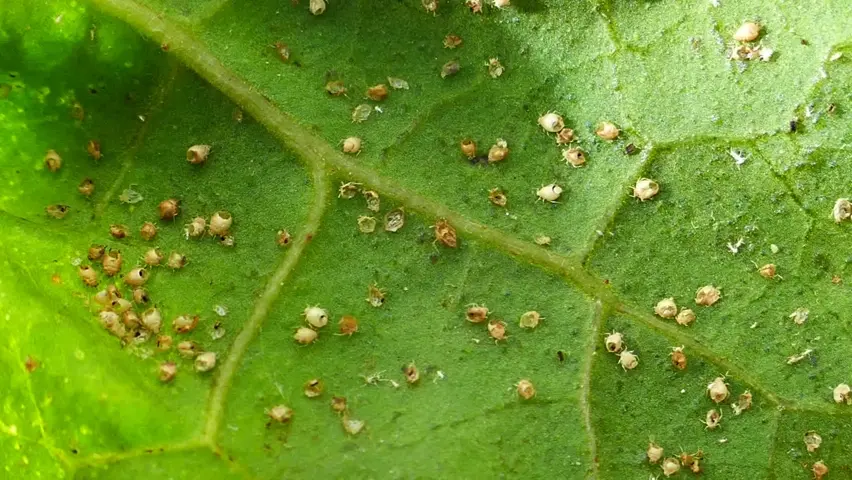
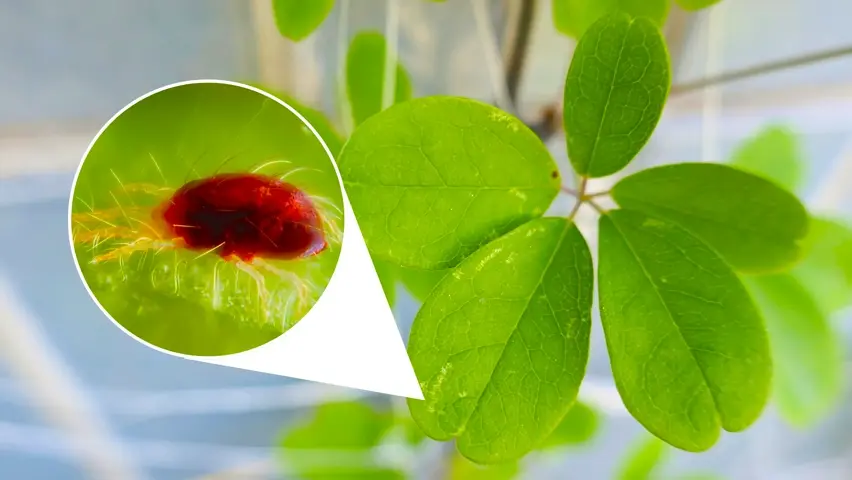
My early years as a plant enthusiast were plagued by recurring problems. My plants were infested with fungus gnats—tiny flies whose larvae eat roots and can slowly kill young plants. My Dwarf Cavendish banana plant was also completely stunted and refused to grow. In both cases, the real issue wasn't a lack of remedies, but the cheap potting mix they were in. Once I understood what makes a good mix, my plants finally started to thrive.
What to Look for (and What to Avoid)
A universal rule for most potted plants is to avoid compost. To speed up production, many commercial products contain incompletely composted material that doesn't fully break down. This creates a breeding ground for mold, fungi, and pests, and can cause root rot. While compost is great for garden beds and large, robust outdoor plants, it's a huge risk for delicate houseplants, seedlings, and most plants in pots.
The Perfect Potting Mix Formula
So, what should you use instead? I highly recommend a mix of high-quality **peat moss** and **coco coir**, combined with an inorganic component for drainage. My favorite is **perlite** because it's light, helps with drainage, and holds the right amount of water. For larger plants, **pumice** is an excellent alternative.
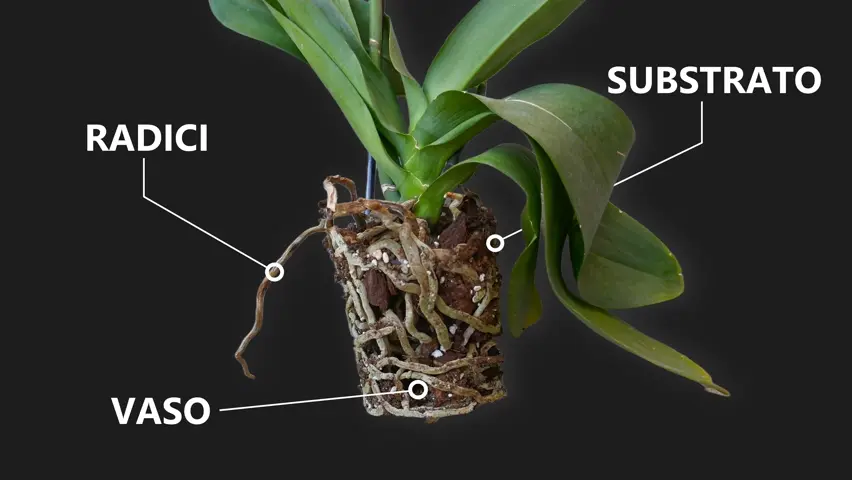
My go-to blend is a combination of coco coir, peat moss, and perlite. This mix works for almost any plant and delivers great results. Even for plants like cacti and succulents, many store-bought "cactus mixes" contain too much organic material. For them, I recommend a mix that's about 80% drainage material, like **pumice** and **volcanic rock**, and only 20% organic matter. For orchids, use materials like **wood bark**, **perlite**, and **sphagnum moss**.
Final Advice
Finding a high-quality, compost-free mix can be difficult since compost is so cheap. Always check the label for "composted amendment" and be cautious if you see it listed. If you can't find a good mix, consider making your own. Choosing the right soil is the most important step toward having healthy, happy plants.
Quick Reference Guide
| Plant Type | Recommended Soil Ingredients | Ingredients to Avoid |
|---|---|---|
| General Houseplants | Peat moss, Coco coir, Perlite | Compost (especially for young or fragile plants) |
| Cacti & Succulents | Pumice, Volcanic rock, Perlite, Sand (in moderation), minimal organic matter | Compost (causes root rot) |
| Orchids | Wood bark, Sphagnum moss, Perlite, Pumice | Compost (causes root rot) |
| Large Outdoor Plants | High-quality compost, Garden soil, Organic matter | N/A |
Common Potting Mix Problems
| Problem | Symptoms | Root Cause | Solution |
|---|---|---|---|
| Fungus Gnats | Small flies around plants, stunted growth | Incompletely composted soil; high moisture levels | Repot with a soilless mix; use sticky traps or beneficial nematodes |
| Root Rot | Mushy, brown roots; yellowing leaves; wilting | Too much organic material (compost); poor drainage | Repot with a well-draining mix; reduce watering |
| Stunted Growth | Plant isn't getting bigger; no new leaves or roots | Nutrient-poor or dense soil; poor aeration | Repot with a high-quality mix; consider adding fertilizer |
Happy planting!