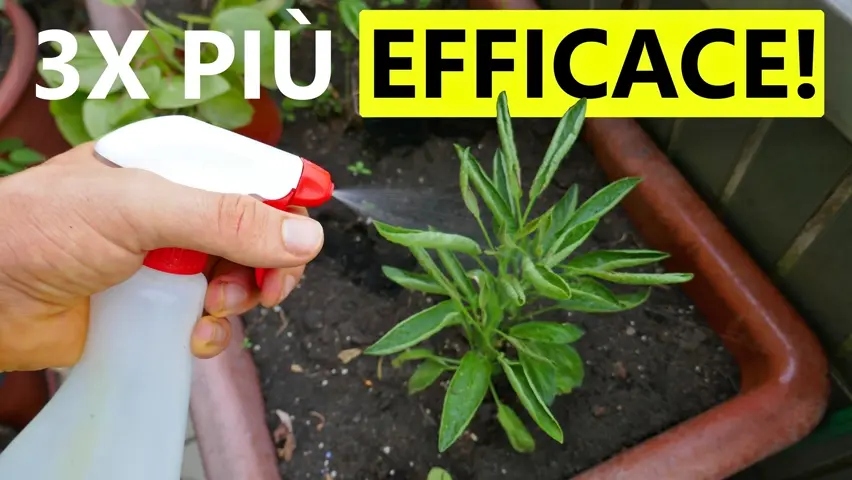
The arrival of spring often brings a rush to control pests like aphids. We spend hours on the internet and buy products, but despite our best efforts, the results are often disappointing. Why? Because sometimes, the most effective strategy is to do nothing at all.
After years of struggling with pests, I've learned to stop treating most of my plants. You might think this is a crazy idea, but there’s a good reason: when you use insecticides, even organic ones, you’re not just killing pests; you're also killing the beneficial insects that are there to help.
The Power of Natural Predators
It’s easy to think there are no beneficial insects on your plants, but often you just need to look closer. Natural predators like hoverfly larvae and ladybugs will almost always find your plants, even on a small city balcony.
If you spray your plants, you will kill these very insects, creating a cycle of dependency. The aphids that inevitably survive will return, but their natural predators will be gone. This forces you to keep treating your plants, wasting time and money for poor results. By allowing nature to take its course, you invite these helpful insects to your garden. They will multiply and get to work, clearing out the aphids in about a week.
When to Intervene
This doesn't mean you should never intervene. For small, fragile seedlings, a heavy aphid infestation could be fatal. In these cases, it’s wise to treat them. However, for larger, more established plants, waiting for natural predators is often the best approach. I also recommend avoiding systemic insecticides, especially on food-producing plants, to limit your exposure to potentially harmful chemicals.
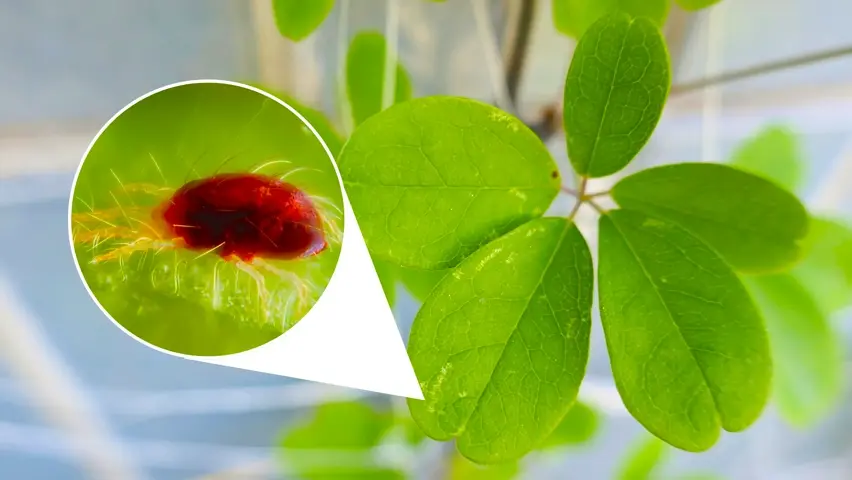
If you don't see natural predators showing up on their own, you can always introduce them. You can often find ladybug larvae on trees or even purchase them online. For spider mites, you can buy predatory mites that will take care of the problem for you. Buying beneficial insects is often a much better solution than using pesticides, especially for large areas.
Pest Control Strategies: A Comparison
| Strategy | When to Use | Pros | Cons |
|---|---|---|---|
| Do Nothing | Large, healthy plants; established outdoor gardens; when patience is an option | Encourages natural predators; saves time and money; safer for you and the environment | Plant may suffer some damage; not suitable for fragile plants or seedlings |
| Spot Treatment | Small, localized infestations; on fragile plants or seedlings | Quickly reduces pest numbers; prevents a small problem from becoming a big one | May still harm some beneficial insects; requires repeated applications |
| Introduce Predators | When natural predators are not present; for large-scale infestations | Natural and effective long-term solution; safer than pesticides | Can be costly; may require a suitable environment for the predators to thrive |
| Pesticides | Severe infestations; when other methods have failed | Fast and effective at killing pests | Kills beneficial insects; requires repeated applications; potential health risks |
Common Beneficial Insects and Their Prey
| Beneficial Insect | What it Looks Like | What it Eats |
|---|---|---|
| Ladybug Larva | Small, black, and orange larva that looks like a miniature alligator | Aphids, scale insects, spider mites |
| Hoverfly Larva | A small, legless, greenish-brown larva | Aphids |
| Predatory Mite | Tiny, fast-moving mites, often reddish-brown | Spider mites |
| Parasitoid Wasp | Tiny, non-stinging wasps | Lays eggs inside aphids, which then "mummify" and kill them |
| Lacewing Larva | A small, light-colored larva with pincers | Aphids, mealybugs, thrips |
Let Nature Be Your Guide
I hope this video has given you a different perspective. You don't have to agree with me, we all have different conditions and experiences. But I hope I've introduced you to something new. When I first learned about these predatory insects and started recognizing them on my plants, it was a truly rewarding experience.
So, experiment a little. See what works best for you and your plants, but always keep an open mind to new ideas.
Happy growing!