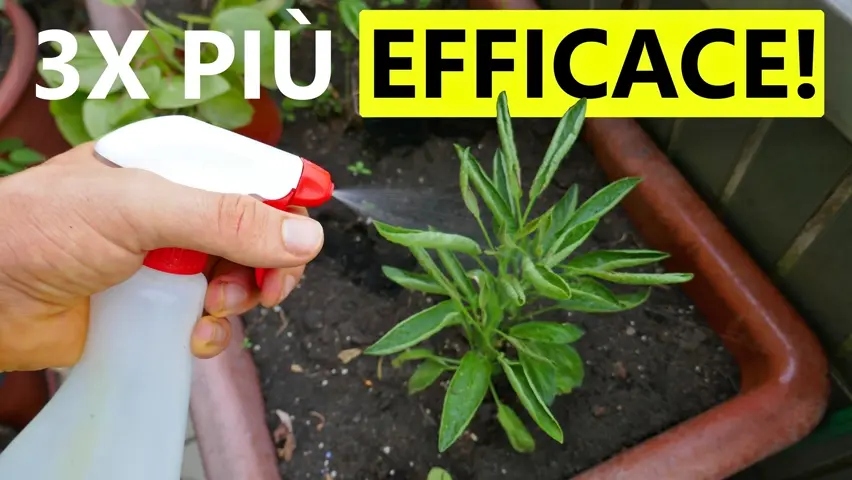
Oh no, not spider mites again! Those dreadful pests...
Hello everyone, and welcome to my channel. Today, we’re going to talk about how to recognize, treat, and prevent spider mites.
First, an important clarification: spider mites are not insects; they are arachnids. They are tiny, harmful mites that can completely devastate a plant. In my opinion, they are almost as bad as thrips because they can kill a plant in just two weeks. So, you need to be very careful.
How to Recognize Spider Mites
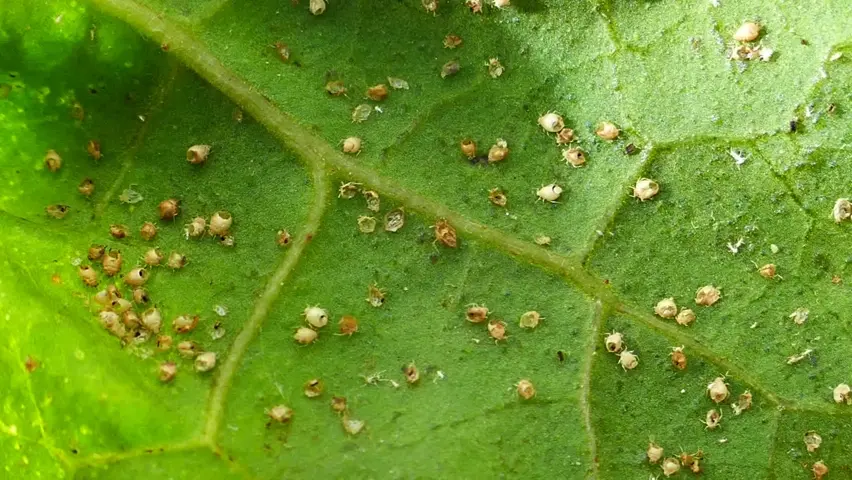
The first step is to carefully examine the leaves of your plant, especially the undersides. Spider mites are tiny, red, orange, or black dots. Interestingly, they start transparent and only turn red or orange after they’ve eaten and absorbed carotenoids from the plant.
You might need a magnifying glass to see them, but if there's a serious infestation, you can spot them with the naked eye.
Look for these telltale signs on your plant:
- Punctures and Stippling: You'll see tiny dots or yellow stippling on the leaves, which are the feeding marks left by the mites.
- Yellowing Leaves: As the infestation grows, the leaves will start to turn yellow and eventually drop off.
- Webbing: Since they are arachnids, they spin tiny, fine webs, often visible on the undersides of leaves or between stems.
If your plant is showing these signs, check the undersides of the leaves for the tiny dots. If you find them, you likely have spider mites.
Prevention: The Best Cure
Prevention is always better than treatment, especially with spider mites. You're probably watching this video because your plant already has them, but after you treat it, you'll want to prevent them from coming back.
The primary cause of spider mite infestations is dryness. Many sources say it's overwatering or high humidity, but based on my experience, it’s the lack of humidity and dry conditions that are the main culprits. My plants get spider mites every year simply because I forget to water them, and they get dry.
To prevent them, try to keep your plants in a humid environment. You can also give them a regular "shower" if they are houseplants, or use a garden hose to wash them down if they are outside. This brings us to the first treatment method.
Treating Spider Mites: Products and Methods
1. Mechanical Removal (Washing)
For a heavily infested plant, the easiest first step is to wash the mites off. Take your plant outside and give it a good spray with water from a hose. This physically knocks the mites off the plant.
2. Chemical vs. Biological Treatments
- Chemical/Synthetic Pesticides: Be careful with these. Most insecticides, like pyrethrum, won't work because they are designed to target insects, not arachnids. You need a specific **acaricide**. Look for a product labeled "acaricide" or "insecticide-acaricide."
- Biological/Organic Treatments: I prefer these methods.
My Recommended Treatments
| Treatment Type | Product | Pros | Cons |
|---|---|---|---|
| Mechanical | Washing with water | Immediately reduces population; no chemicals needed | Mites can return; not a complete cure |
| Organic | Neem Oil | Highly effective; works on contact and as a repellent; safe for beneficial insects | Needs to be applied thoroughly and may require a few treatments |
| Organic | Soft Soap | Can weaken a large population; easy to apply | Not a strong cure; requires repeated applications; can be messy |
| Organic | Nettle Macerate | A natural repellent; can deter pests | Less potent than other treatments; best for prevention |
| Biological | Predatory Mites | Natural predators that eat spider mites; no harm to your plants | Can be expensive; requires a significant infestation to sustain a population |
The Power of Nature: Beneficial Insects
I only use neem oil on my small, treasured plants. For my larger outdoor plants, I often let nature take its course. If you improve the environmental conditions (for instance, by giving your plant a good shower), you'll often find that beneficial insects will arrive to help.
Predatory mites, also known as `Phytoseiids`, are a great example. You can even buy them for commercial greenhouses, but they often show up naturally in your garden or on your balcony. These beneficial mites prey on the harmful spider mites. By not over-treating your plants with strong pesticides, you allow these natural predators to thrive and keep the pest population in check.
My Strategy in a Nutshell
- Environmental Fixes: Address the root cause by improving humidity and making sure your plant is not too dry.
- Wash and Wait: For outdoor plants, give them a good rinse. This can often be enough. Wait and see if natural predators appear.
- Targeted Treatment: If the problem persists, use a powerful yet safe treatment like neem oil. Apply it thoroughly, making sure to get the undersides of all the leaves. A couple of treatments should be enough to solve the problem.
I hope this video was helpful! It was a bit long, but spider mites have caused me a lot of problems, so I wanted to give you a complete overview. If you're interested in more plant content, be sure to subscribe.
Happy gardening!