Hello everyone! Today, I want to talk about one of the most delicious fruits in the world: the lucuma. Also known as the "Inca Gold," this plant is easy to grow and produces truly exceptional fruit. I’ll describe its unique flavor, the cultivation process, and whether you can successfully grow it in Italy.
A Fruit with a Unique Flavor
The lucuma fruit is typically green or yellow on the outside. But it's the inside that's truly special. The pulp is a rich yellow and not very juicy, but its flavor is outstanding. It’s incredibly sweet with notes of sweet potato, maple, and caramel. It's so unique that it's difficult to describe—you simply have to taste it.
Lucuma belongs to the same family as other tropical fruits like the Mamey Sapote, and it shares the family's reputation for producing delicious, non-juicy but very flavorful fruits.
Cultivating Lucuma from Seed
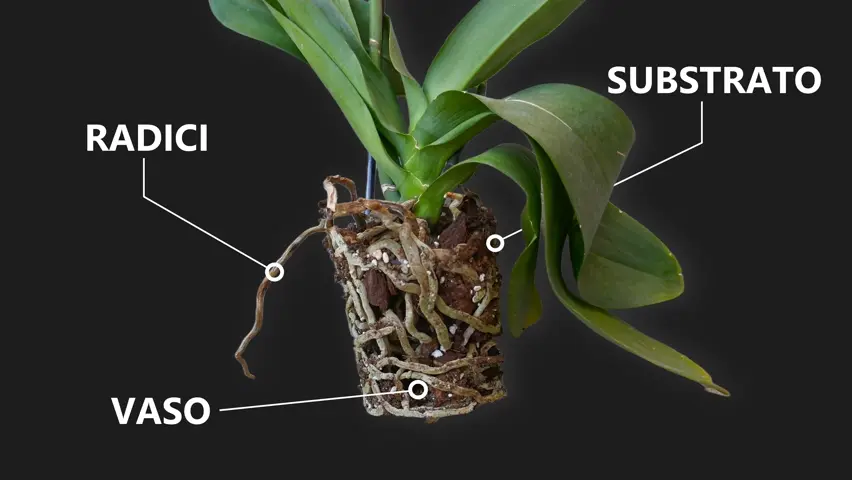
This is my lucuma plant, which I grew from a seed about four years ago. It’s incredibly easy to grow from seed, much like an avocado. Just place the seed in the soil, and it will sprout. The ideal temperature for germination is around 25-30°C, but it will also do well at 20°C.
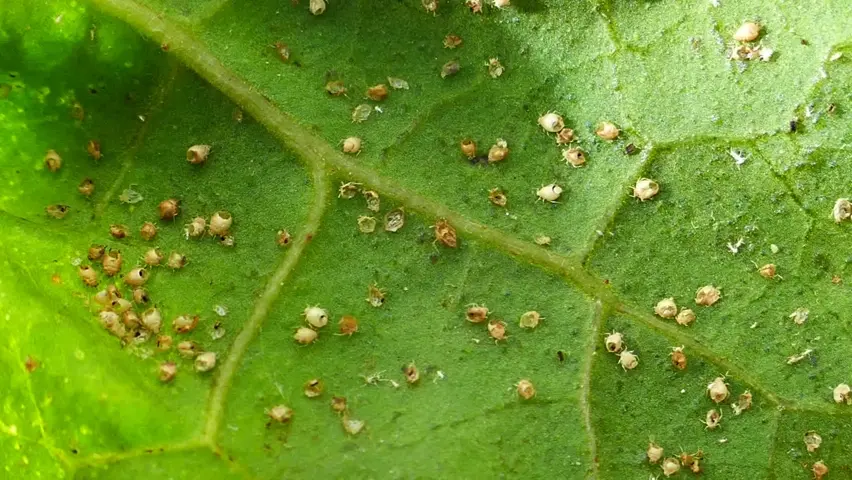
My one-year-old plant is thriving. Its leaves are quite tough, which is a great advantage because the plant is very resistant to pests. I've only seen a few minor issues with scale insects or spider mites, but nothing to worry about.
Cold Resistance: A Key Advantage
One of the main reasons many exotic plants struggle in Italy is their low tolerance for cold. However, lucuma is surprisingly cold-hardy. I've grown this plant on my balcony in Northern Italy, and it has handled the cold well.
Based on my experience, I believe it can tolerate temperatures down to about -5°C. Any colder than that, and the leaves might turn black, and the plant could die. But with a cold tolerance of -5°C, this plant can be successfully cultivated in most of Central and Southern Italy.
Fruiting and Self-Fertility
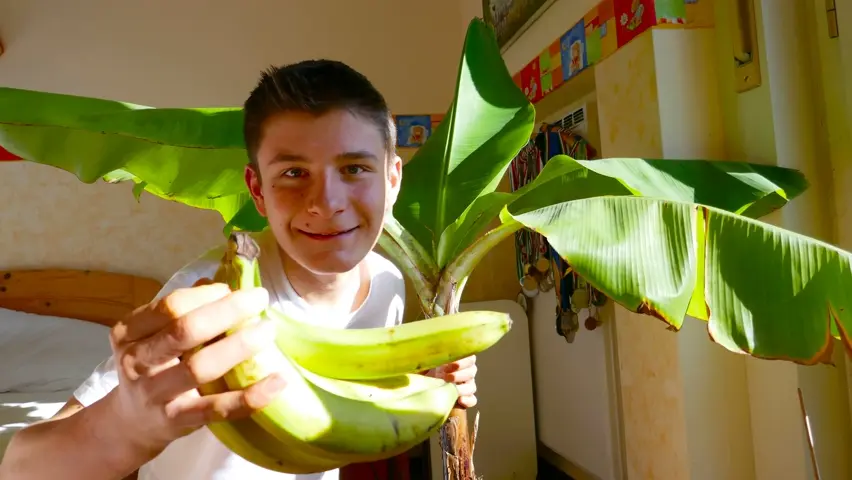
You might be wondering if my plant has ever produced fruit. The answer is no. The fruit I showed you was from a local South American ethnic market. You can also find lucuma-flavored gelato in some ice cream shops, as the fruit is popular for its flavor.
Lucuma plants typically take about 5 years to produce fruit. My plant is four years old and in a pot, which makes it less likely to fruit. However, if planted in the ground, it would have a much better chance. A great bonus is that the lucuma is self-fertile, so you only need one plant to get fruit.
My Experience with Lucuma
| Trait | My Experience |
|---|---|
| Ease of Cultivation | Very easy to grow from seed. Similar to avocado. |
| Pest Resistance | Excellent. Only minor issues with scale or spider mites. |
| Cold Hardiness | Surprisingly good. Can tolerate temperatures down to -5°C. |
| Fruiting | Has not fruited yet. Typically takes ~5 years. Needs to be planted in the ground for best results. |
Comparison with Other Tropical Fruits
| Fruit | Scientific Name | Cold Hardiness | Self-Fertile? |
|---|---|---|---|
| Lucuma | Pouteria lucuma | -5°C (tolerant) | Yes |
| Avocado | Persea americana | -1°C to -4°C (varies by variety) | Some varieties are self-fertile, but better with two plants. |
| Mango | Mangifera indica | 0°C (requires protection) | Yes |
If you're interested in growing something a different and delicious, I highly recommend giving lucuma a try. It’s a very rewarding plant to grow. Let me know how it goes for you.
Happy growing!