A plant's success depends largely on an element that is often underestimated: the potting soil. Many commercial products are low quality and can actually harm your plants. Through a series of mistakes and failures, I learned the importance of good soil and discovered a "secret formula" that I want to share.
What to Look For (and What to Avoid)
Quality soil must have the right components, even though the ideal composition can vary depending on the plant. However, there is one golden rule that applies to most potted plants: avoid compost.
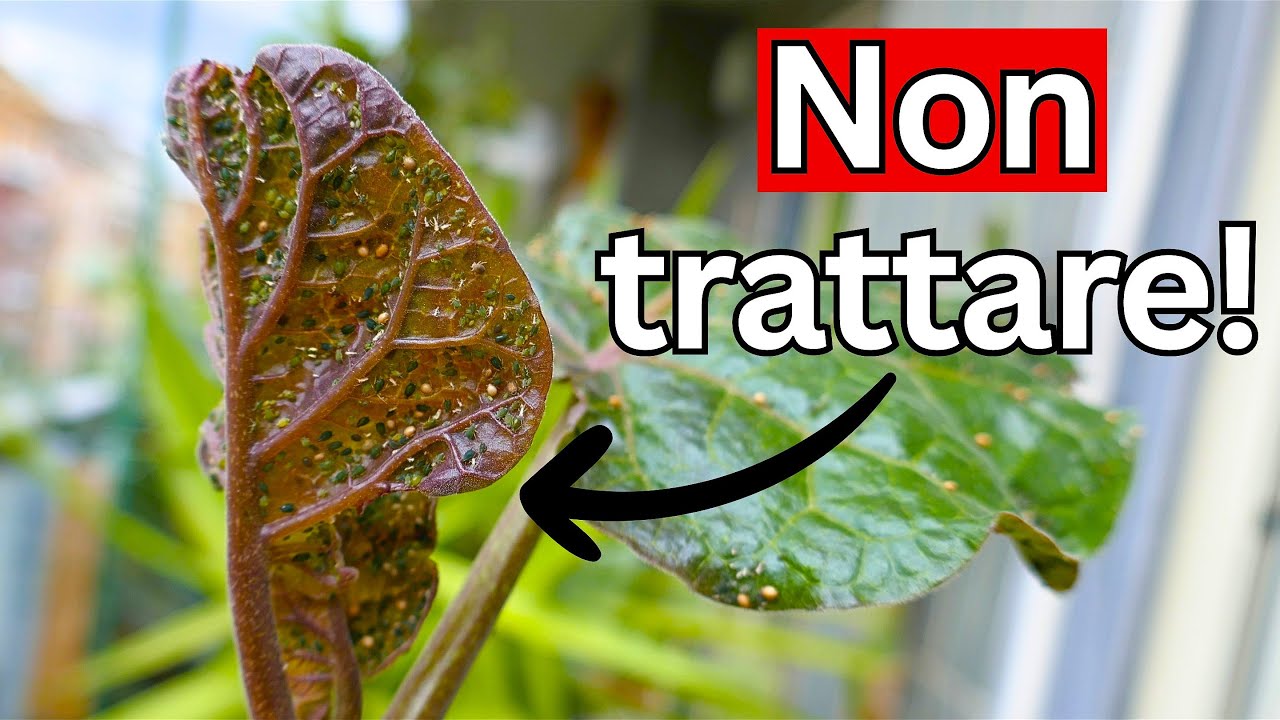
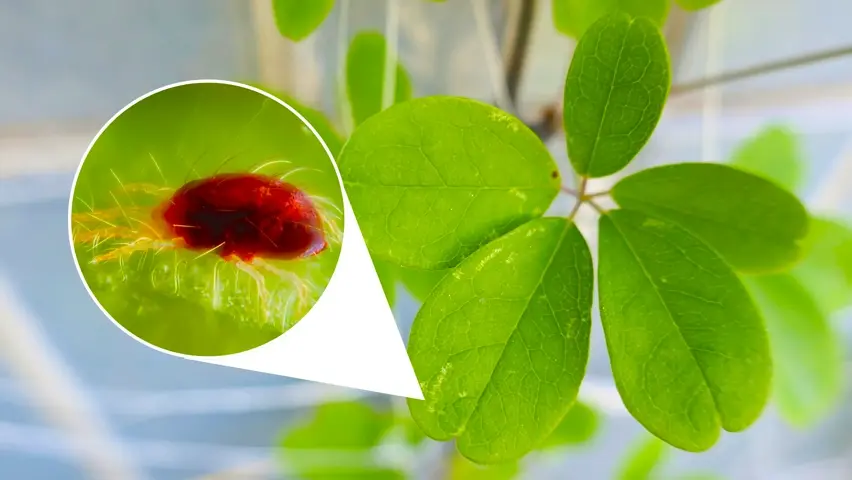
To speed up production, many manufacturers use compost that isn't fully decomposed. This material can cause rot, mold, and pests like fungus gnats. While compost is great for flower beds and established outdoor plants, it's a huge risk for delicate indoor plants, seedlings, and most potted plants.
The Perfect Soil Formula
What should you use instead of compost? I recommend a mix of high-quality peat moss and coco coir, paired with an inorganic component to promote drainage. My top choice is perlite, a lightweight mineral that aids drainage and retains water. For larger plants, pumice is also an excellent alternative.
My favorite mix is a combination of coco coir, peat, and perlite. This blend works for almost all plants and will give you great results. Even for specific plants like cacti and succulents, avoid commercial mixes that often contain too much organic material. The best solution is a mix made of 80% drainage material like pumice and volcanic rock, and only 20% organic matter. For orchids, stick to a mixture of wood bark, perlite, and sphagnum moss.
Buying Tips
Unfortunately, finding compost-free soil can be difficult since compost is a cheap material. Always check the label: if you see "composted amendment" or "compost," proceed with caution. If you can't find a good mix, the best solution is to make your own.
Quick Guide for Perfect Soil
| Plant Type | Recommended Ingredients | Ingredients to Avoid |
|---|---|---|
| General Houseplants | Peat moss, Coco coir, Perlite | Compost (especially for young or fragile plants) |
| Cacti and Succulents | Pumice, Volcanic rock, Perlite, Sand (in moderation), minimal organic matter | Compost (causes root rot) |
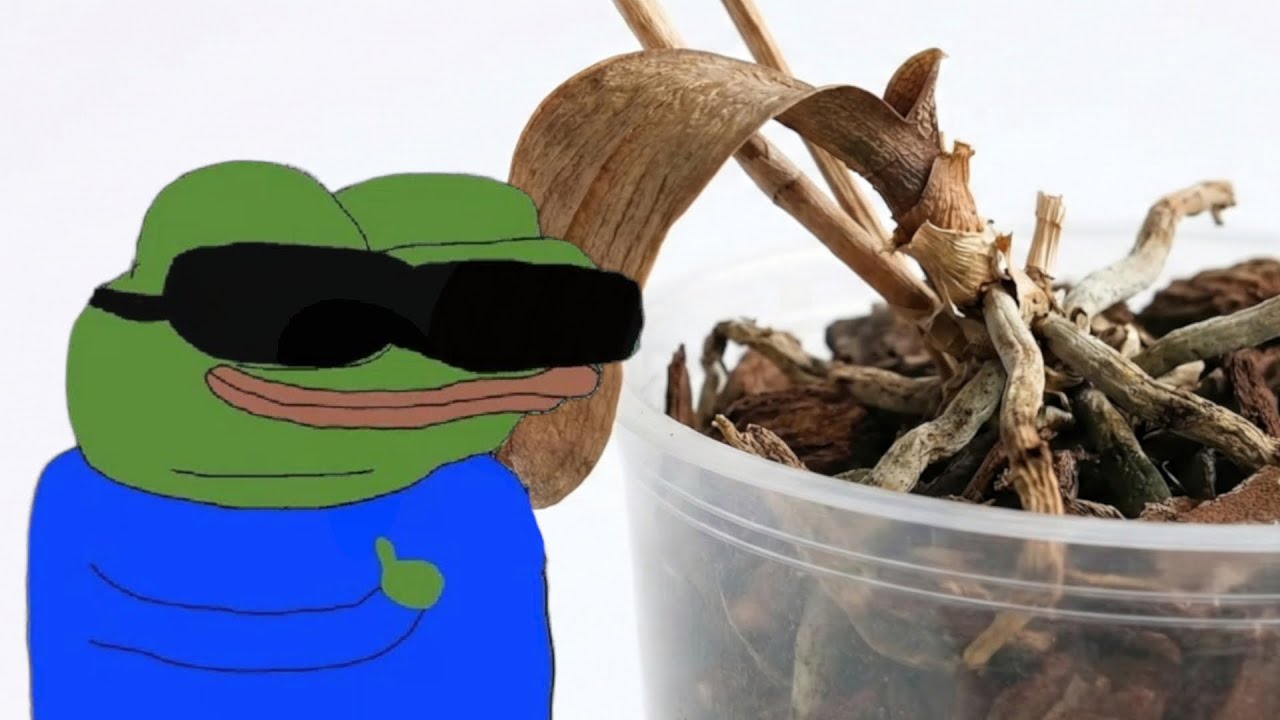
| Orchids | Wood bark, Sphagnum moss, Perlite, Pumice | Compost (causes root rot) |
| Large Outdoor Plants | High-quality compost, Garden soil, Organic matter | N/A |
Common Soil Problems
| Problem | Symptoms | Root Cause | Solution |
|---|---|---|---|
| Fungus Gnats | Small flies around plants, stunted growth | Incompletely composed soil; high moisture levels | Repot with a soilless mix; use sticky traps or beneficial nematodes |
| Root Rot | Mushy brown roots; yellowing leaves; wilting | Too much organic material (compost); poor drainage | Repot with a well-draining mix; reduce watering |
| Stunted Growth | Plant not growing; no new leaves or roots | Nutrient-poor or dense soil; poor aeration | Repot with a high-quality mix; consider adding fertilizer |
Happy gardening!